

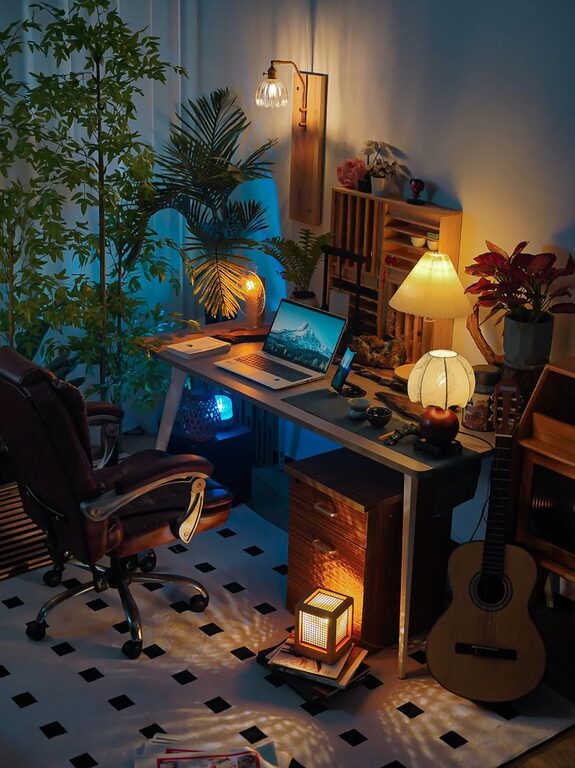
Creating a home office that feels cozy and encourages productivity can significantly improve your work-from-home experience. Whether you’re setting up a new space or updating an existing one, a few thoughtful changes can make a big difference. Here are helpful tips to design a home office that supports your workflow while providing comfort and style.
Choose the Right Location
Picking the ideal spot for your home office is the first step. Consider a quiet area with minimal distractions. If possible, find a room with a door to separate work from home life. Natural light is a bonus—it can boost mood and reduce eye strain. If a separate room isn’t available, a well-defined corner in a living space or bedroom can work well too.
Invest in a Comfortable Chair and Desk
Ergonomics are key for long hours at your desk. Choose a chair that offers good lumbar support and adjustable height. Pair it with a desk that fits your workflow—enough surface area for your computer, paperwork, and other essentials without feeling cluttered. Adjustable desks that allow you to switch between sitting and standing positions can be a great option to improve comfort and circulation.
Optimize Lighting
Good lighting helps reduce eye strain and keeps you alert. Position your desk near a window for natural daylight. Supplement with a quality desk lamp that provides focused light. Avoid harsh overhead fluorescents and opt for warm white bulbs to create a cozy atmosphere. Consider light dimmers or multiple light sources to adjust brightness according to the time of day.
Organize and Declutter
A tidy workspace aids concentration and reduces stress. Use shelves, drawers, or storage bins to keep supplies and files organized. Keep only the essentials on your desk to create a clean, inviting surface. Cable management solutions can help avoid tangled cords, making your setup neater and safer.
Personalize with Meaningful Decor
Adding personal touches can make your office feel inviting and inspire creativity. Choose artwork, plants, or photos that motivate you. Plants, in particular, improve air quality and add a calming natural element. Just be mindful not to overcrowd the space—simplicity with a few meaningful items often works best.
Use Color Wisely
Colors influence mood and productivity. Soft, neutral tones create a relaxed environment, while pops of color like blue or green can enhance focus and tranquility. Avoid overly bright or distracting colors that may interfere with concentration. You can introduce color through accent walls, accessories, or office supplies.
Set Boundaries and Create Routine
A well-designed space supports not just physical comfort but also mental boundaries. Make a habit of starting and ending your workday at your desk to help separate work time from personal time. Keeping your workspace organized encourages you to “leave work” at the office, even when it’s at home.
Consider Technology and Connectivity
Ensure you have reliable internet and necessary technology to avoid frustration. Invest in quality peripherals such as a good microphone, headphones, or a second monitor if your tasks require it. Keep chargers and cables within easy reach but organized to reduce clutter.
Add Comfort Features
Small details can make your home office more comfortable. A soft rug or cushioned floor mat can ease tired feet. Keep a cozy blanket or sweater nearby for temperature control. A water bottle or coffee mug within arm’s reach helps you stay hydrated without distraction.
Regularly Refresh Your Space
Finally, keep your workspace inviting by periodically refreshing it. Rotate decor, clean surfaces, and reevaluate your setup to adapt as your work habits evolve. This helps prevent “office fatigue” and keeps your home office feeling like a positive place to be.
—
With these tips, your home office can become a place where comfort and productivity coexist. Creating a space you enjoy stepping into every morning can boost your motivation and help you perform at your best. Happy decorating and working!