

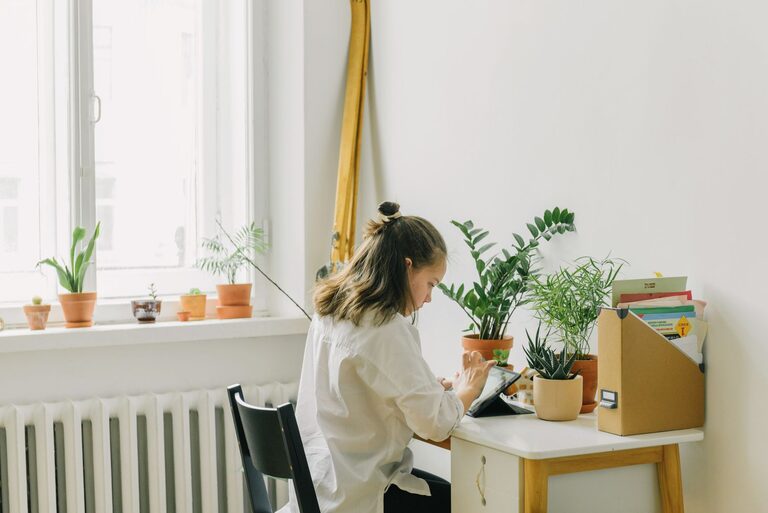
Creating a relaxing home office environment is essential for boosting productivity and maintaining focus throughout your workday. Whether you are working full-time from home or occasionally need a quiet space to get things done, your workspace plays a crucial role in how efficiently you work and how comfortably you feel. In this post, we’ll explore practical tips that will help you design a calming, organized, and inspiring home office.
Why a Relaxing Home Office Matters
A stressful or cluttered workspace can negatively affect your concentration, motivation, and overall wellbeing. On the other hand, a thoughtfully arranged home office can increase your productivity by helping you feel calm and focused. When your environment supports your work style, you’re less likely to feel distracted or burned out.
Choose the Right Location
Find a Quiet Spot
Select a space in your home that is quiet and separate from daily distractions like the kitchen or living room TV. If possible, choose a room or a corner with a door to minimize interruptions.
Maximize Natural Light
Natural light helps reduce eye strain and boosts mood. Position your desk near a window to take advantage of daylight. If natural light is limited, invest in daylight bulbs to mimic natural sunlight.
Ergonomics Matter
Invest in a Good Chair and Desk
An ergonomic chair supports your posture, which reduces discomfort during long hours of work. Aim for a chair with adjustable height and lumbar support. Pair this with a desk that fits your space and work needs.
Set Up Your Screen Correctly
Your computer monitor should be at eye level and about an arm’s length away. This setup helps reduce neck and eye strain.
Organize Your Keyboard and Mouse
Keep your keyboard and mouse within easy reach and at a height that keeps your wrists straight. Consider a wrist rest for added comfort.
Create a Calm and Personalized Space
Declutter Regularly
Clutter can cause mental stress. Use storage solutions like shelves, filing cabinets, and desk organizers to keep your workspace tidy.
Choose Calming Colors
Colors such as soft blues, greens, and neutrals can create a soothing atmosphere. If repainting isn’t an option, add calming accents like cushions, artwork, or plants.
Use Plants to Refresh the Space
Plants not only improve air quality but also reduce stress. Choose low-maintenance plants like succulents, snake plants, or pothos.
Add Personal Touches
Include a few personal items that make you happy, like photos, favorite mugs, or inspiring quotes. These help to make the space inviting.
Manage Noise and Distractions
Use Noise-Canceling Headphones
If noise is unavoidable, noise-canceling headphones or white noise machines can help you focus.
Set Boundaries
If you live with others, communicate your working hours and ask for quiet time. Use a door sign or headphones to signal when you need focus.
Optimize Lighting
Layer Your Lighting
Combine ambient, task, and accent lighting. A desk lamp with adjustable brightness helps reduce eye strain, especially during evening hours.
Avoid Glare
Position your computer and lighting to avoid glare on your screen.
Establish a Routine and Breaks
Designate Work Hours
Create a schedule that aligns with your natural energy levels. Stick to it as much as possible to maintain work-life balance.
Take Regular Breaks
Pause every hour to stretch, move, or rest your eyes. Short breaks increase focus and productivity over time.
Tech Tips for Comfort and Focus
Use Cable Management Tools
Keep cords and cables organized to prevent tangling and distractions.
Consider Ergonomic Accessories
Items like an external keyboard, mouse, or a laptop stand can improve comfort.
Utilize Productivity Apps
Apps that block distractions or help organize tasks can keep you on track.
Keep Your Workspace Clean and Fresh
Regular Cleaning
Dust and wipe surfaces frequently. A clean environment prevents allergies and improves mood.
Fresh Air
Open a window when possible or use an air purifier to keep the air fresh.
Final Thoughts
Creating a relaxing home office environment is all about combining comfort, organization, and personal touches that work for you. Small improvements can make a big difference in how you feel and perform. By investing time into your workspace, you set yourself up for more productive and enjoyable workdays.
Try implementing some of these tips gradually and notice how your focus and motivation improve. Your home office can be a place where both productivity and relaxation coexist.