

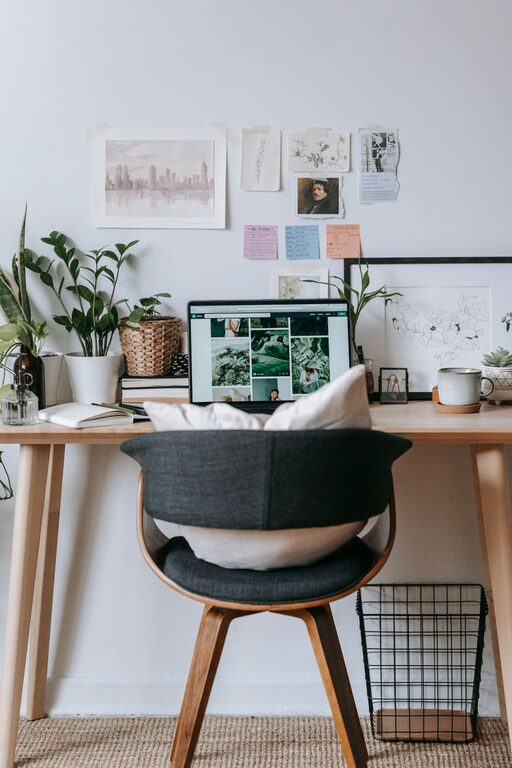
Creating a home office that feels inviting yet promotes focus is essential for anyone working remotely or managing tasks at home. A cozy and functional office space helps reduce stress, improve productivity, and make work hours more enjoyable. Whether you have a dedicated room or just a corner in your living room, these tips will help you design a home office that suits your style and work needs.
Choose the Right Location
Consider Natural Light
If possible, position your desk near a window. Natural light not only brightens the space but can also boost mood and energy. Avoid direct glare on your computer screen by angling your desk or using sheer curtains.
Minimize Noise and Distractions
Select a quieter area of your home where interruptions are less likely. If space is limited, consider noise-canceling headphones or white noise machines to create a focused environment.
Invest in Comfortable and Ergonomic Furniture
Choose a Supportive Chair
A good office chair supports your back and encourages good posture. Look for adjustable features such as seat height, lumbar support, and armrests. Even if you spend only a few hours in your home office, comfort is key.
Opt for the Right Desk
Pick a desk that fits your available space and work requirements. Standing desks or adjustable-height desks are great options to change positions throughout the day. Make sure the desk surface is large enough to hold your computer, notes, and any other tools you use regularly.
Organize with Purpose
Keep Essentials Within Reach
Organize your workspace to reduce clutter and keep important items close at hand. Use desk organizers, trays, or drawer dividers to separate supplies like pens, paper, and chargers.
Use Shelving and Storage Solutions
Wall-mounted shelves or bookcases can help store books, files, and decorative items without taking up floor space. Consider labeled bins or boxes for less frequently used materials to keep the area tidy.
Personalize Your Space
Add Comforting Elements
Include items that make you feel relaxed and inspired, such as plants, artwork, or cushions. Greenery not only adds visual appeal but can improve air quality and reduce stress.
Choose Soothing Colors
Soft, neutral tones or calming colors like blues and greens can create a peaceful work atmosphere. If you prefer bolder colors, use them in smaller accessories or accents to keep the space balanced.
Optimize Lighting for All Tasks
Layer Your Lighting
Combine overhead lights with task lighting, such as desk lamps or adjustable floor lamps. This mix helps reduce eye strain and provides focused illumination for reading or detailed work.
Consider Adjustable Brightness
Dimmable lights or lamps with adjustable brightness let you customize lighting levels depending on the time of day or type of work, improving comfort and focus.
Manage Technology Efficiently
Organize Cables and Chargers
Use cable clips, ties, or boxes to keep cords untangled and off the floor. A clutter-free setup not only looks better but also makes cleaning easier.
Invest in Reliable Equipment
Ensure you have a computer, printer, and other devices that meet your work needs without frequent technical problems. A fast internet connection is crucial for video calls and online collaboration.
Create a Routine-Friendly Environment
Set Boundaries Between Work and Rest
Design your office so it feels distinct from relaxation areas. This separation helps you mentally switch between work mode and downtime.
Keep Your Space Clean
Make tidying your workspace part of your daily or weekly routine. A clean environment reduces distractions and improves efficiency.
Incorporate Flexibility for Different Work Styles
Include a Comfortable Seating Option
If space allows, add a chair or small sofa for reading, brainstorming, or taking breaks away from your desk.
Plan for Multiple Uses
Design your home office to accommodate different tasks, whether it’s video calls, creative work, or paperwork. Adjustable furniture and modular storage can help make your office adaptable.
—
Creating a cozy and functional home office takes thoughtful planning, but the results are well worth it. By combining comfort with organization and personalization, you can build a space that supports productivity and makes working from home more enjoyable. Whether starting fresh or updating an existing setup, these tips offer a practical guide to crafting your ideal workspace.